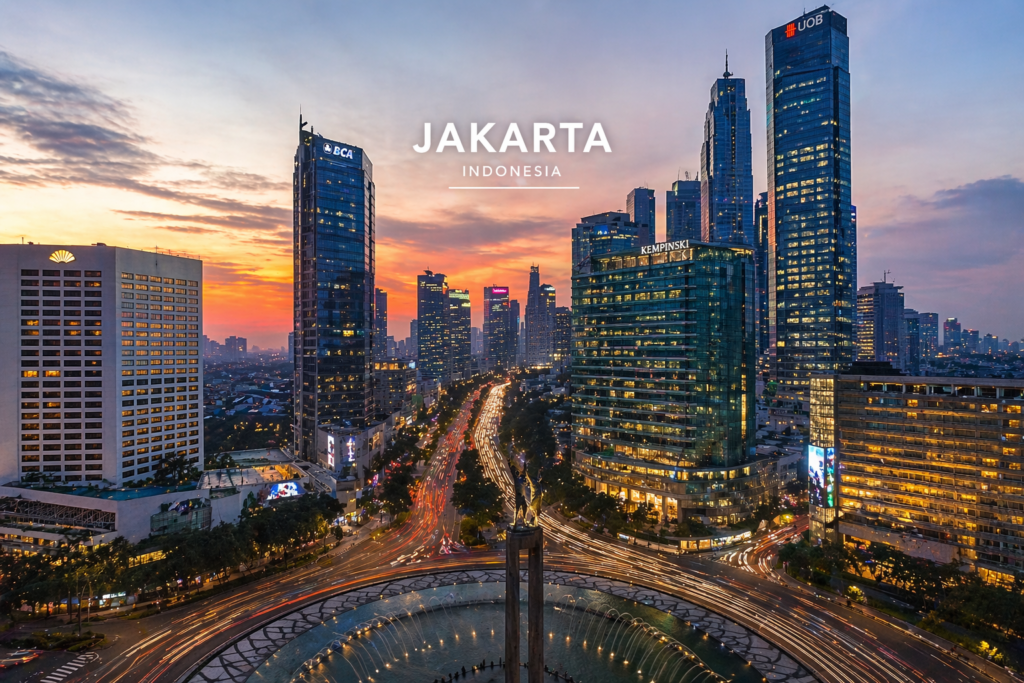
In the shadow of the National Monument and the sprawling government complexes of Gambir, Central Jakarta hides a surprisingly tranquil world dedicated to the written word. For those overwhelmed by the city’s relentless sensory input, these “Literary Escapes” offer a different kind of wellness—one found in the scent of old paper, the silence of a reading room, and the mental clarity that comes with digital disconnection. These hidden libraries and community nooks are more than just repositories of books; they are urban sanctuaries designed for quiet contemplation, offering a profound sense of “Mental Escape” right in the heart of the capital’s most historic district.
The National Library of Indonesia (Perpustakaan Nasional)
located at Jalan Medan Merdeka Selatan No. 11, may seem like an obvious choice, but its “hidden” appeal lies in its upper-floor reading sanctuaries. As the tallest library building in the world, the real escape is found on the 24th floor, where a silent executive reading lounge offers plush armchairs and floor-to-ceiling windows overlooking the Monas square. The transition from the humid, honking streets of Gambir to this soundproofed, climate-controlled “Zenith of Knowledge” is a powerful psychological reset. It is a world-class facility where the breathtaking urban vista serves as a silent companion to your reading, providing a sense of scale and peace that is essential for mental detoxification.
The Goethe-Institut Library
nestled within the cultural complex on Jalan Sam Ratulangi No. 9-15, offers a minimalist and ultra-modern “Zen” environment just a short walk from the Menteng border. This library is a masterpiece of functional design, featuring sleek wooden bleachers, private “listening pods,” and beanbag corners that encourage hours of uninterrupted focus. The atmosphere is strictly curated for silence, making it a favorite for researchers and creative thinkers who need to escape the “noise” of modern life. With its curated collection of German and Indonesian literature, it provides a sophisticated, European-style retreat where the air is cool, the lighting is soft, and the intellectual energy is palpable.
Erasmus Huis Librarys
ituated within the Dutch Cultural Center complex on Jalan H.R. Rasuna Said (but easily accessible from the Gambir-Menteng axis), is a stunning example of modern architectural tranquility. The library features a distinctive “open-concept” design with warm wooden interiors and a magnificent glass-walled view of the surrounding greenery. It feels less like a public institution and more like a high-end private study. The silence here is respected with a religious intensity, providing a perfect environment for those seeking a “Deep Work” session or a quiet afternoon of introspection. It is a hidden sanctuary where the clean lines of Dutch design meet the lush tropical landscape of Jakarta, creating a visual and mental harmony that is rare in the city center.
Perpustakaan Jakarta (Cikini)
located inside the Taman Ismail Marzuki (TIM) complex on Jalan Cikini Raya No. 73, is the newest jewel in the city’s literary crown. While it is gaining popularity, its vast 12,000 square meter space offers many “hidden” nooks, including semi-private reading cubicles and a beautiful children’s section that is equally calming for adults. The architecture is inspired by the “Jukung” (traditional boat), featuring warm tones and organic shapes that promote a sense of fluid movement and calm. Tucked away within the artistic heart of Cikini, this library allows visitors to disappear between the shelves for an entire day, providing a modern, high-tech escape that still honors the traditional sanctity of the printed page.
Baca di Tebet (Menteng/Gambir Perimeter)
though located just on the edge of the central district, is a private library and “community sanctuary” that deserves a spot on this list for its unparalleled intimacy. This hidden nook functions as a high-end reading club where membership offers access to a quiet house filled with rare books and cozy, domestic-style corners. Unlike the grand government libraries, this space feels like a personal living room belonging to a dedicated scholar. It is a sanctuary for “Slow Living,” where the clatter of keyboard typing is discouraged in favor of the soft turning of pages. For tourists and locals alike, it offers a rare opportunity to engage with Jakarta’s intellectual community in a setting that feels like a warm, private home, far removed from the cold steel of the surrounding skyscrapers.