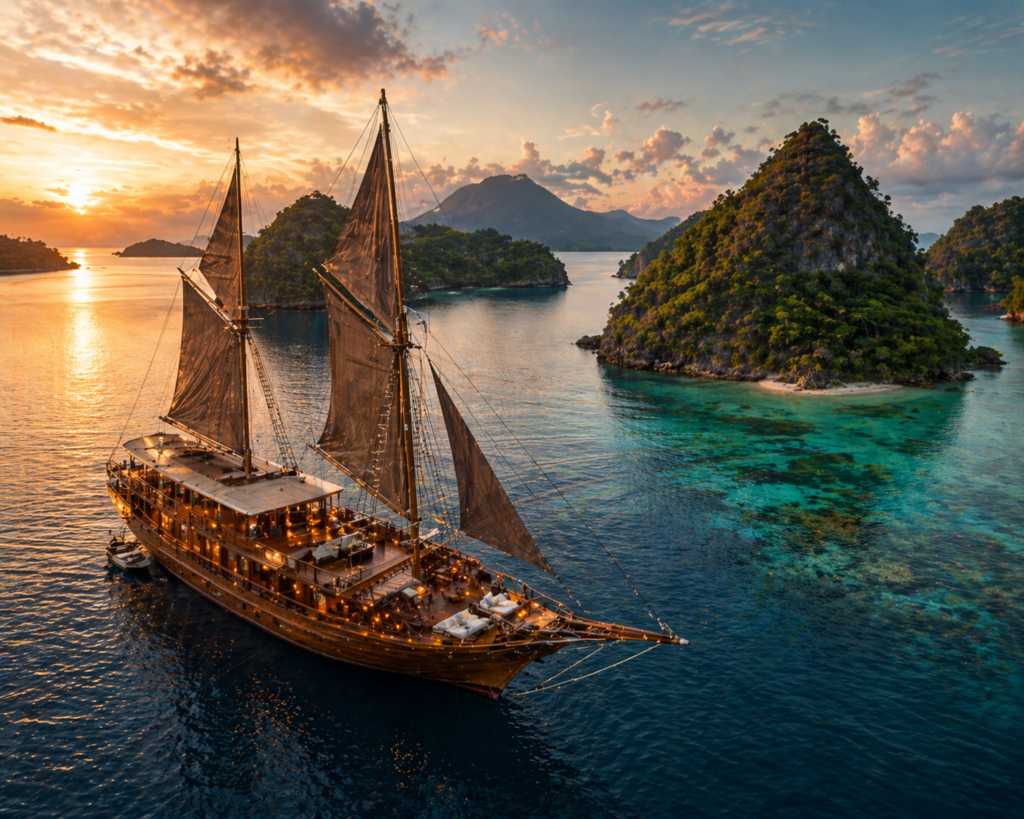
Sunda Kelapa is the architectural and historical soul of Jakarta. Long before the skyscrapers of Sudirman existed, this port was the gateway for the global spice trade, dating back to the 12th-century Pajajaran Kingdom. Today, it remains a functional “Living Museum,” where the world’s largest fleet of traditional sailing ships—the Pinisi—still docks. This harbor offers a high-fidelity “Perspective Shift,” transporting visitors from the digital hum of modern Jakarta to a world of timber, salt, and manual labor that has remained unchanged for centuries.
I. The Pinisi Fleet: A Study in Vernacular Engineering
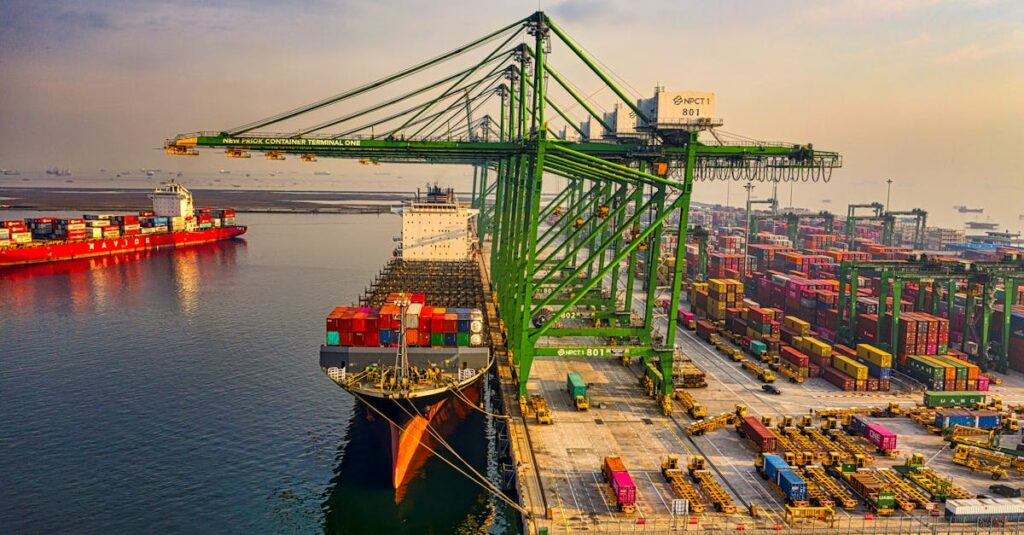
The main attraction of Sunda Kelapa is the line of towering, brightly painted wooden schooners. These ships are masterpieces of “Traditional Engineering,” built by the Bugis and Makassar craftsmen without the use of blueprints or metal nails. The high-fidelity detail of the hand-carved hulls and massive masts is a testament to Indonesia’s maritime heritage. Walking along the 2-kilometer concrete dock provides an “Industrial Discovery,” as you witness the rhythmic, manual loading and unloading of goods—a stark contrast to the automated container ports of the modern world.
II. The Architectural Legacy of the VOC Galangan
Located near the entrance to the harbor area is the VOC Galangan building. Originally a 17th-century shipyard and warehouse, it has been restored as a cultural and dining space. The architecture is defined by its massive timber beams and thick colonial-era masonry, designed to withstand the salty sea air. This site serves as a “Heritage Anchor,” offering a quiet space to reflect on the harbor’s transition from a colonial stronghold to a modern-day commercial hub. The high-ceilinged interiors provide a cool “Escape” from the intense North Jakarta sun.
III. Logistics of the “Harbor Crossing”
For a truly “Immersive Adventure,” you can hire a small wooden rowboat (sampan) to cross the canal or view the Pinisi fleet from the water. The logistics are simple: negotiate a small fee with a local boatman for a 15-minute tour. This “Water-Level Perspective” allows you to see the scale of the ships’ hulls from below, providing a high-fidelity look at the textures of the weathered wood and the intricate rigging. It is a cinematic experience that captures the raw, unfiltered energy of one of the world’s oldest functioning ports.
IV. Nearby Nautical Landmarks: The Maritime Museum
Just a short walk from the docks is the Museum Bahari (Maritime Museum), housed in former VOC spice warehouses. The architecture here is characterized by long, echoing halls and heavy wooden shutters that once protected nutmeg and pepper from the elements. A visit here is a “Technical Deep-Dive” into the history of Indonesian navigation, featuring models of traditional boats and ancient lighthouses. The nearby Syahbandar Watchtower (Menara Syahbandar) offers a “Vantage Point” over the harbor, once serving as the signal tower for all incoming ships.
V. Photography and the “Golden Hour” of the Port
Sunda Kelapa is a premier destination for “Visual Storytellers.” During the “Golden Hour”—shortly before sunset—the harbor is bathed in a warm, amber glow that reflects off the hulls of the ships. The shadows of the masts create dramatic geometric patterns on the dock, making it a high-fidelity location for photography. This is the moment when the “Stay” becomes most rewarding, as the harbor transitions from a site of labor to a place of quiet, maritime beauty. It is the ultimate “Heritage Reset,” reminding us that Jakarta’s future is forever anchored in its sea-faring past.