Tanjung Pinang, the historic capital of the Riau Islands sitting on the southwestern shores of Bintan, is a vibrant port town where Chinese, Malay, and Bugis cultures have dissolved together for generations. The heart of this cultural exchange is found in the Old Town sector, a tight grid of century-old concrete shophouses characterized by narrow alleys and hidden basement kitchens. These five subterranean culinary journeys guide you away from the modern streets and down into the fragrant, low-ceilinged dining rooms where the ancient spice routes are preserved through rich, high-heat cooking.
1. The Claypot Spice Infusion
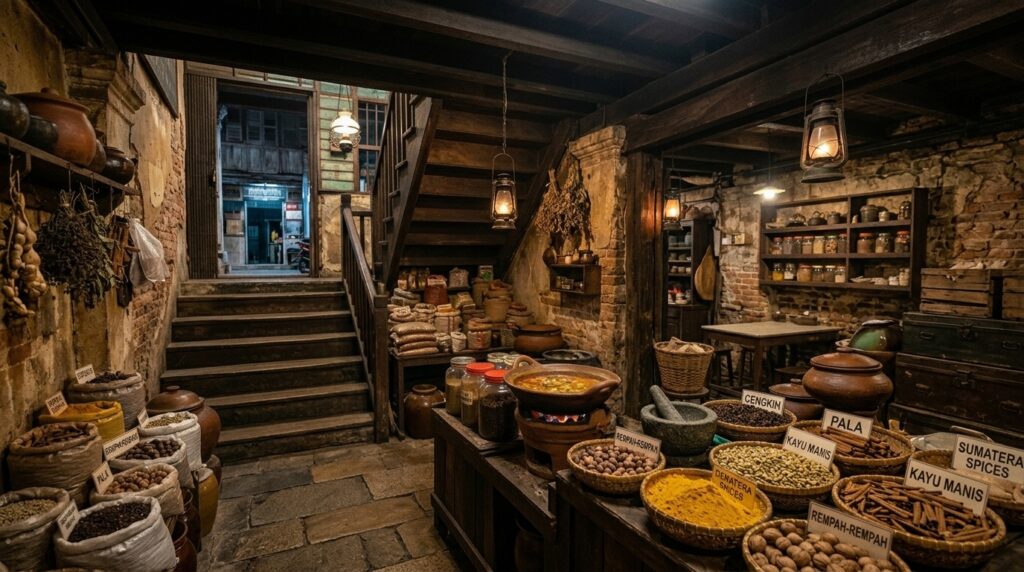
Descend down a narrow flight of steep concrete stairs beneath a vintage fabric shop on Jalan Merdeka to find a hidden, family-run dining cellar that has operated since the 1950s. The specialty here is a rich, aromatic Chinese-Indonesian herbal soup cooked in traditional, fire-blackened clay pots over high-heat charcoal burners. As the broth bubbles merrily in front of you, it releases a thick steam packed with the scent of wild star anise, dried galingale, and locally harvested white pepper. Eating this complex, warming dish in a subterranean stone room while listening to the muffled sounds of the busy port town above provides a deeply comforting and historic sensory experience.
2. The Waterfront Fish Soup Alley
This culinary trail takes you into a low, tunnel-like alleyway running beneath the stilt foundations of the old fish market along Jalan Pasar Ikan, right in the heart of Old Town Tanjung Pinang. Here, right at the water’s edge where the tide laps against the concrete supports, a series of open-front counters prepares the town’s legendary Sup Ikan. The dish features thick, pristine slices of fresh red snapper poached in a clear, sour-savory broth infused with pickled green tomatoes, salted plums, and crisp fried shallots. Sitting at a damp wooden counter while watching the small wooden boats unload their daily catch just a few feet away offers a raw, completely authentic connection to the maritime food heritage of the strait.
3. The Heritage Coffee Vault
Located inside the basement level of a beautifully restored 1920s colonial building near the historic Tanjung Pinang harbor, this hidden coffee house is a sanctuary for traditional Riau caffeine culture. The space features thick, exposed brick arches and low timber beams, creating a cool, quiet environment that feels like a historic vault. The experience centers around Kopi Tarik—a strong, robusta brew sweetened with condensed milk that is repeatedly poured between two large tin mugs at high speed to create a thick, velvety foam. Savoring this rich, chocolatey coffee alongside a plate of charcoal-toasted kaya bread provides a slow, nostalgic journey into the old lifestyle of the island’s trading class.
4. The Gongfu Crab Cellar
Hidden behind an unmarked wooden door in the back of a traditional medicine shop near the old harbor docks of Tanjung Pinang, this subterranean kitchen specializes in high-flame seafood preparation. The signature dish features massive mud crabs caught in the southern Bintan mangroves, tossed in a roaring wok with a thick, sticky sauce made from local red chilis, fermented shrimp paste, and crushed lemongrass. The intense heat of the cellar kitchen and the loud, rhythmic clanging of the iron spatula against the wok create a dramatic, high-energy environment. Cracking open the sweet, tender crab meat in this hidden room turns a meal into an unforgettable, high-flavor adventure.
5. The Peranakan Pastry Lane
The final culinary journey guides you through a narrow, semi-subterranean pedestrian corridor that runs between two rows of historic shophouses near the old Chinese temple in Tanjung Pinang. This hidden lane is home to several generations of pastry makers who specialize in traditional Peranakan baking. The air is permanently sweet with the aroma of toasted sesame seeds, rich coconut milk, and smoky pandan leaves. Here, you can sample delicacies like Kue Otak-Otak baked in wild nipah leaves and sweet Kue Pia filled with savory mung bean paste, fresh from the ancient brick ovens. It is a beautiful, delicious look at the delicate blending of cultural traditions that defines the city’s identity.