South Lombok’s transition from a sleepy surf outpost to a global lifestyle destination has birthed a unique culinary movement: The Art of Slow Dining. In the sun-drenched streets of Kuta, a new generation of chefs and restaurateurs is rejecting fast-food culture in favor of a “Hyper-Local” philosophy. This isn’t just about eating; it’s a high-fidelity sensory experience where the logistics of the supply chain are as beautiful as the final plating.
I. The “Farm-to-Table” Architecture
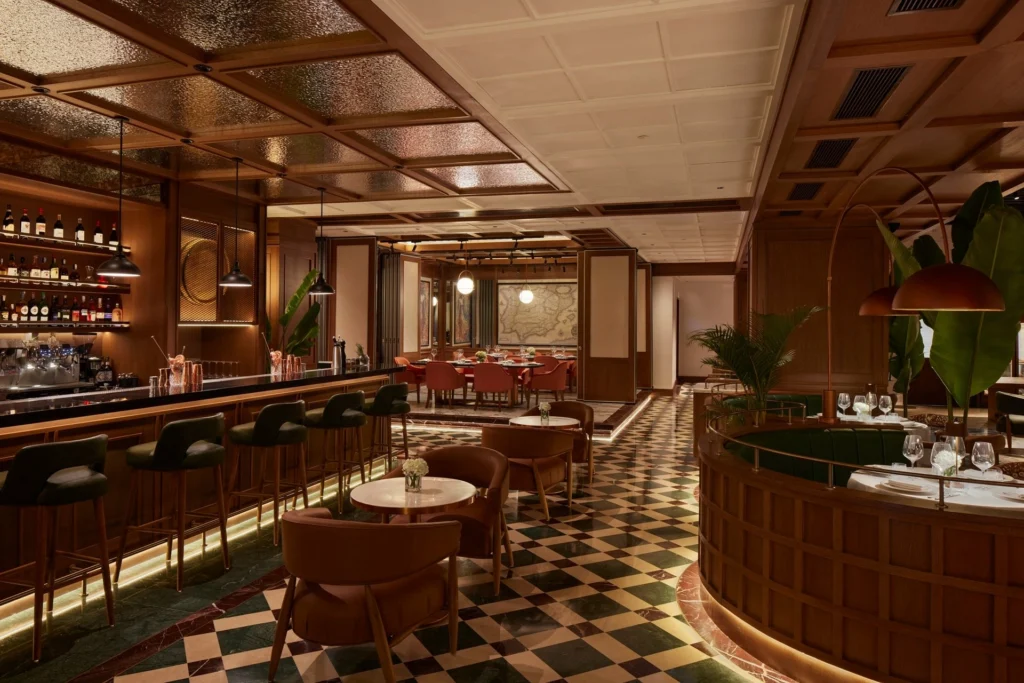
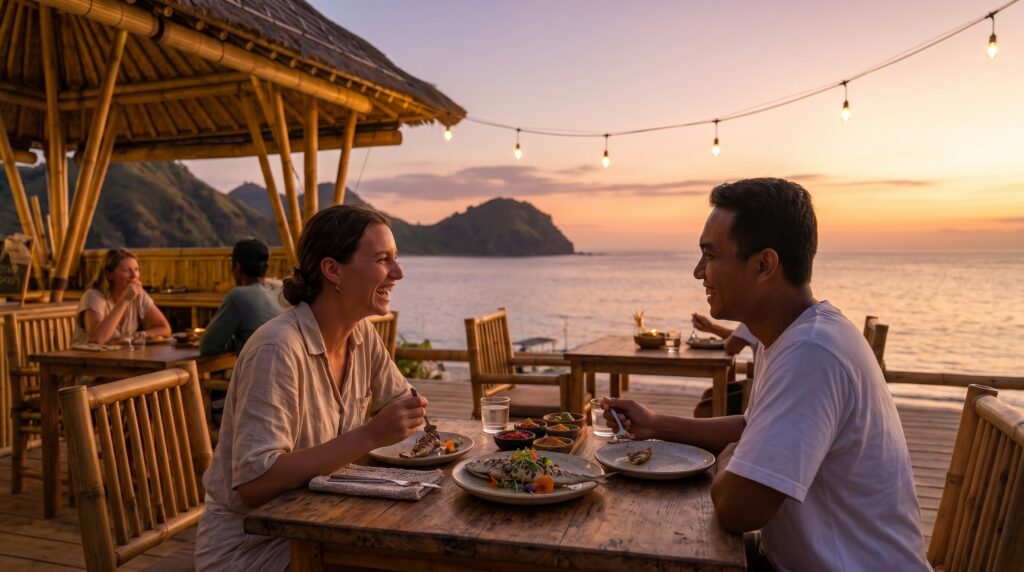
The dining spaces in Kuta are increasingly designed to reflect their culinary values. Utilizing open-air pavilions, reclaimed teak, and hand-woven rattan, these eateries create a “Breathable Environment.” The technical layout often places the kitchen center-stage, allowing diners to witness the “Culinary Craft” in real-time. This transparency fosters a deep connection between the consumer and the source, turning a simple dinner into an educational “Discovery” of Lombok’s seasonal bounty.
II. Nutrient-Dense Gastronomy
At the heart of the “Slow Dining” movement is a commitment to Environmental Wellness. The menus are dictated by the soil and the sea:
- The Soil: Organic produce sourced from the volcanic foothills of Mount Rinjani, where the mineral-rich earth produces vibrant dragon fruit, creamy avocados, and heirloom tomatoes.
- The Sea: Seafood is procured daily from local fishermen in Gerupuk or Tanjung Aan, ensuring a “Zero-Mile” carbon footprint.
- The Result: Meals are packed with enzymes and antioxidants, providing a “Physical Reset” that fuels your outdoor adventures without the heavy lethargy of processed foods.
III. The Meditative Ritual of the Meal
Slow Dining encourages a “Mindful Pace.” Instead of the rapid turnover of city restaurants, Kuta’s sustainable spots are designed for “Lingering.” Long communal tables encourage conversation, while the soft, amber lighting and the distant sound of the surf create a “Social Sanctuary.” This is where the “Post-Trip Glow” is nourished—through slow chewing, deep conversation, and an appreciation for the complex textures of hand-crafted sauces and traditional spices like taliwang and lengkuas.
IV. Logistics: Finding the Hidden Gems
- The Locale: Focus your search on the side streets of Kuta, away from the main commercial strip, where smaller, chef-owned bistros prioritize quality over volume.
- The Best Time: Aim for “Early-Evening Dining” (around 6:00 PM). The temperature is perfect for al fresco seating, and you can witness the transition from the golden light of the afternoon to the intimate glow of the restaurant’s lanterns.
- The Reservation: While casual, the most popular “Sustainable Spots” fill up quickly. A technical tip: call ahead to check if they have specific “Daily Specials” based on that morning’s market haul.
V. The Conscientious Traveler’s Choice
By choosing these eateries, you are participating in a “Circular Economy.” Every meal supports local farmers, fishermen, and artisans, ensuring that the development of Kuta Lombok remains beneficial to its community. It is the ultimate Styla.asia “Dining Experience”—one that tastes good, looks high-fidelity, and feels ethically sound. You leave the table not just full, but fulfilled.